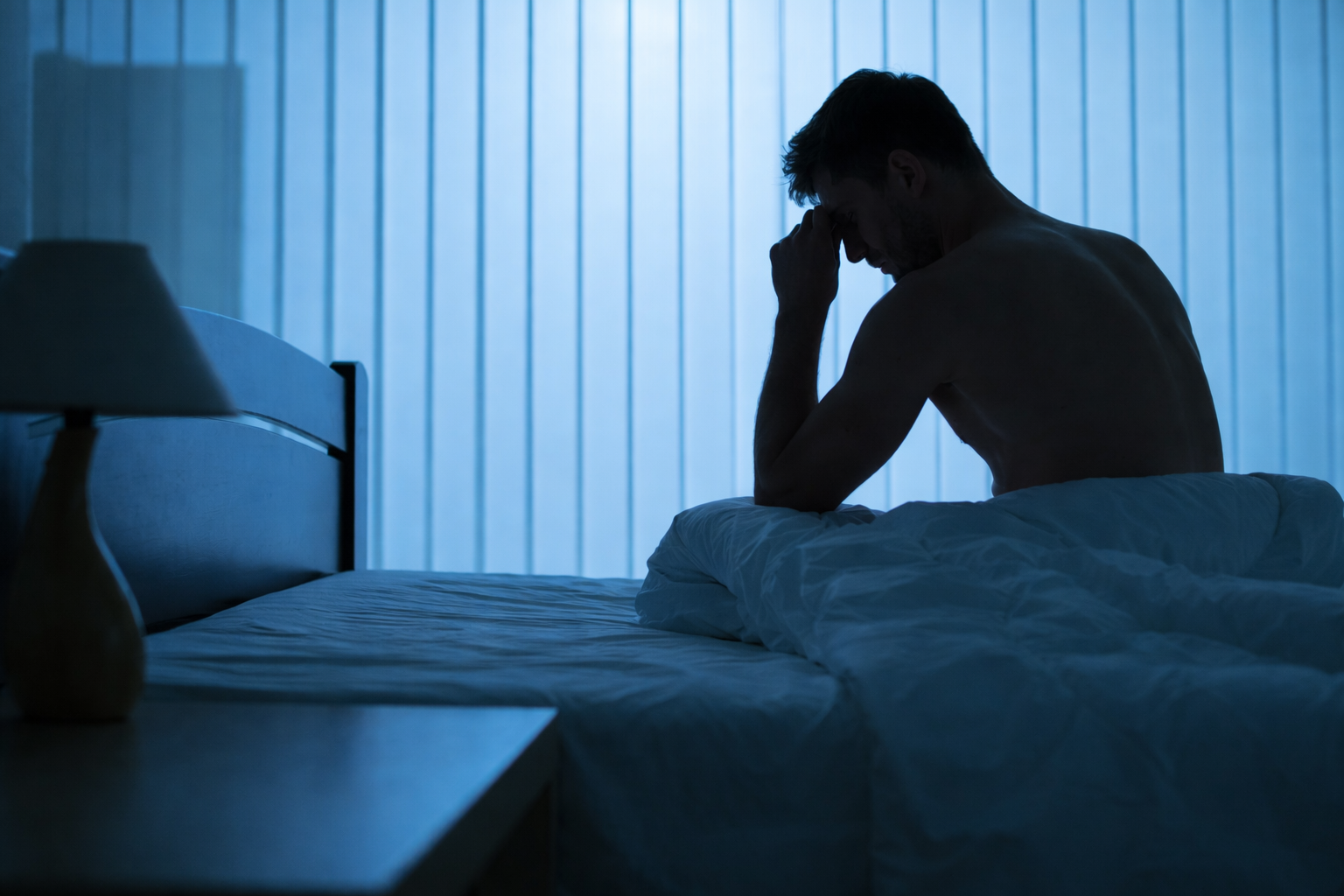
Sleep is a core biological requirement that regulates nearly every system involved in health, resilience, and longevity.
Consistent, high-quality sleep supports:
- cognitive performance and decision-making
- immune surveillance and recovery
- hormonal regulation
- metabolic health
- emotional regulation
When sleep is compromised, the effects are not subtle—and they accumulate quickly.
What Happens When Sleep Is Restricted
Experimental sleep deprivation studies consistently show that insufficient sleep impairs brain and body function in measurable ways.
- Cognitive performance declines: reaction time slows, attention lapses increase, and judgment worsens.
- Physiological stress rises: sleep loss disrupts autonomic balance and hormonal signaling.
- Immune function is suppressed: even short-term sleep restriction reduces immune cell activity, including natural killer (NK) cells, which play a role in immune defense.
Epidemiological and experimental research links chronic insufficient sleep with higher risk of:
- cardiovascular disease
- type 2 diabetes
- obesity
- mood disorders
- impaired immune response
Sleep is not a “nice to have.” It is foundational.
Sleep Is a Behavior, and Behaviors Can Be Trained
High-quality sleep does not come from willpower alone.
It emerges from consistent environmental and behavioral cues that align with human circadian biology.
Below are evidence-supported sleep hygiene principles, not extreme protocols or guarantees.